
Stainless Steel Jewelry Manufacturer with In-House PVD Plating
Develop, approve, coat, inspect, package, and replenish stainless steel jewelry through Chicolink's integrated Dongguan factory.
- Develop OEM, ODM, private-label, and bulk stainless steel jewelry for global B2B programs.
- Control approved PVD/IP colors through Chicolink's in-house plating workshop and six PVD vacuum coating machines.
- Confirm 304 or 316L steel, construction, surface preparation, PVD color, layer requirements, tests, and packaging before production.
- Link drawings, BOMs, samples, PVD batches, inspection records, and packing versions to each SKU.
- Support factory audits, independent inspections, testing, export packing, and international shipping.
- Manufacturing since 2012
- 5,500+ sq. m Dongguan factory
- 400+ employees
- 6 jewelry designers and 3 jewelry engineers
- 200,000+ pieces monthly capacity
- Six PVD vacuum coating machines

Match the PVD Program to Your Buying Model
Chicolink first identifies how the collection will be sold and replenished. A brand launch, chain-store rollout, wholesale program, and marketplace collection require different inputs and controls. The table links each buying model to its main sourcing risk, the information we need, and the process Chicolink uses to prepare a practical quotation and approval plan.
| Buying Model | Main Procurement Risk | Information Chicolink Needs | Chicolink Control Focus |
|---|---|---|---|
| Global brand collection | Design interpretation changes between sample and bulk | Controlled artwork, target market, material, dimensions, weight, color, quantity, test plan, packaging, and launch date | DFM review, drawing and BOM control, approved sample, PVD reference, process plan, and bulk release record |
| Chain-store or department-store program | A failed test, label, inspection, or delivery date can affect the rollout | Vendor manual, markets, AQL, restricted substances, packaging data, store allocation, inspection, and delivery window | Compliance scope, production checkpoints, barcode and packaging checks, inspection support, and shipment release |
| DTC or marketplace brand | Color change, surface damage, or packaging errors create returns and negative reviews | Product claims, target price, sales channel, SKU variants, content-sample date, barcode, unit packing, and replenishment forecast | Finish validation, pre-packing inspection, individual protection, SKU control, and repeat-order records |
| Jewelry wholesaler or distributor | Broad assortments can hide unworkable quantities and inconsistent reorders | Product categories, quantity per style and color, target price, stock or custom route, packaging, destination, and reorder frequency | SKU allocation, standard-style availability, PVD batch planning, assortment packing, and replenishment confirmation |
| Designer-led OEM project | Fine details may not survive machining, polishing, welding, coating, or mass production | Sketch, CAD, physical sample, dimensions, critical surfaces, moving parts, stones, logo, quantity, and acceptance criteria | DFM review, required design changes, prototype route, sample revisions, and production specification |
| Long-term supply program | Materials, PVD shade, packaging, and inspection criteria can drift over multiple orders | Previous order, approved sample, current forecast, controlled changes, required date, and target inventory position | Batch traceability, approved-reference retention, change control, current material and capacity review, and reorder inspection |
Use Stainless Steel and PVD for Commercial Fit
Chicolink treats the steel body, prepared surface, and PVD layers as one product system. Performance and cost depend on the grade, geometry, finish, layer structure, color standard, use conditions, and test method. We define the required retail position first, then select a route that can be sampled, measured, and repeated in bulk production.
Build a Durable Everyday Product Position
Stainless steel provides a corrosion-resistant base with stable mechanical strength for rings, earrings, chains, necklaces, bracelets, bangles, pendants, and accessories. PVD/IP can add gold, rose gold, black, gunmetal, and other approved colors while maintaining a thin decorative layer over the prepared surface.
Control Cost Through Specification Choices
The base steel is only one part of the product cost. Geometry, weight, machining, tooling, polishing, welding, stones, PVD structure, testing, inspection, packaging, and order quantity can contribute more than the raw material. Chicolink separates these cost drivers during engineering and quotation instead of using one generic price for all PVD jewelry.
Plan for Reorders Before the First Order
A PVD collection supports repeat sales only when its specifications can be reproduced. Before bulk production, Chicolink records the material, dimensions, polishing standard, color reference, layer requirement, logo, packaging, test scope, and approved sample. For each reorder, we still reconfirm material availability, PVD conditions, capacity, packaging versions, and current market requirements.
Control PVD from Preparation to Final Inspection
Chicolink operates six PVD vacuum coating machines in its own plating workshop. The same factory team coordinates process planning, color approval, coating, inspection, exception handling, and batch records with machining, welding, polishing, assembly, and packing. PVD quality begins before chamber loading, so we control every handoff that affects appearance, adhesion, coverage, and repeatability.
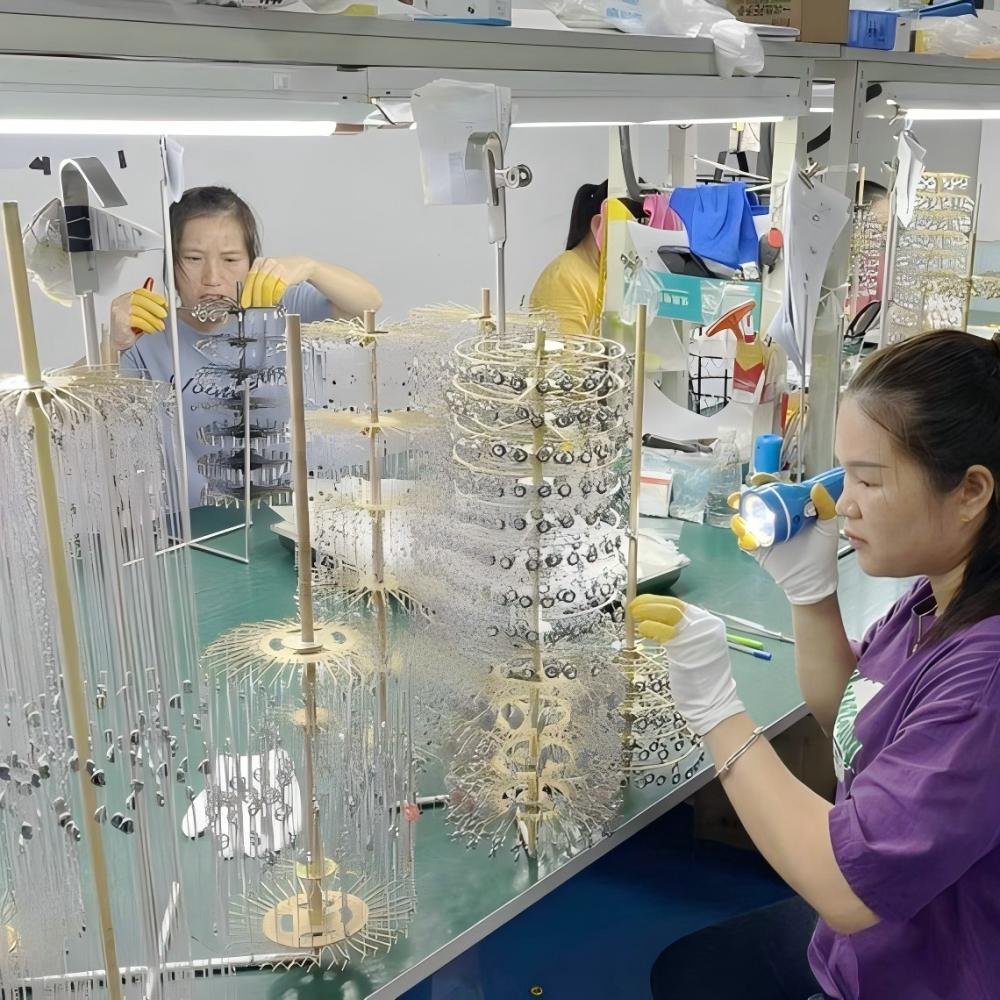
Prepare the Product for Coating
PVD follows the shape and condition of the prepared surface; it does not hide scratches, pits, rough welds, polishing waves, adhesive contamination, or structural defects. Chicolink therefore confirms the appearance zones and prepares the product before plating.
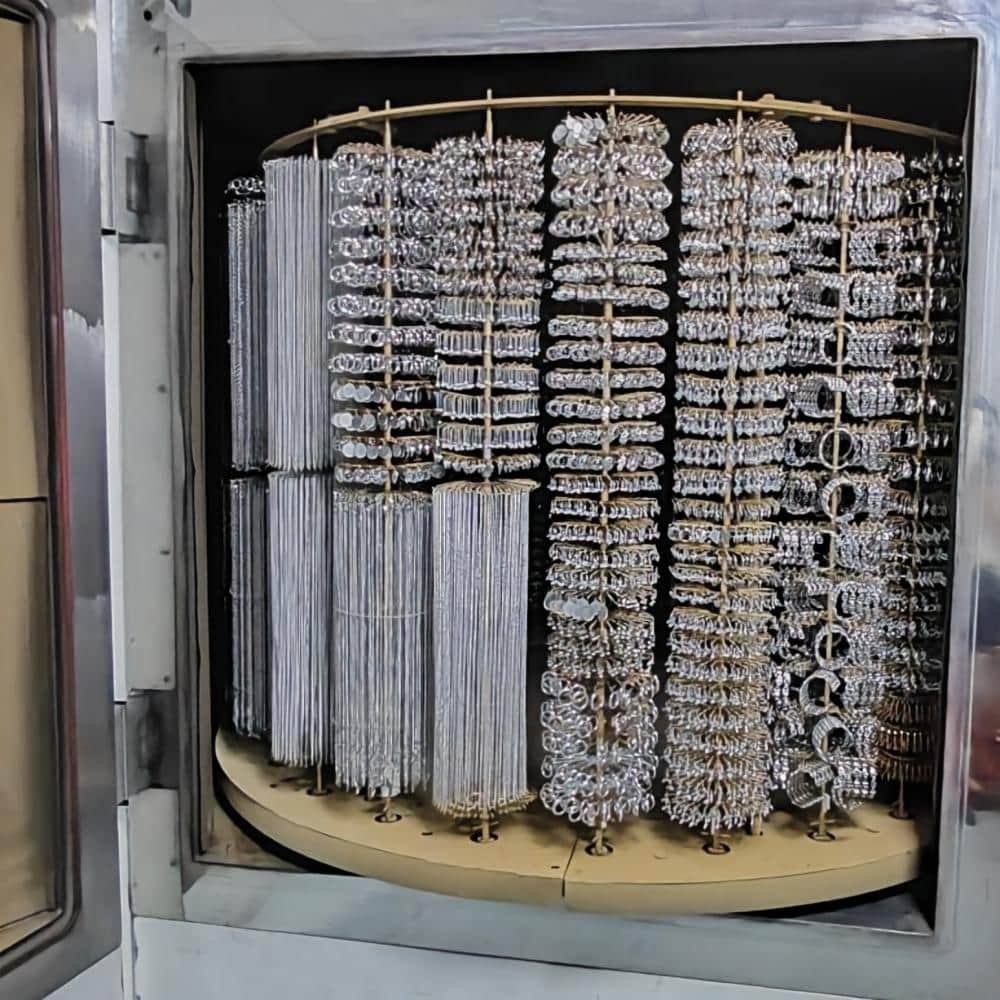
Run the Approved PVD Batch
The approved order specification controls the PVD route. Chicolink records the base material, product structure, surface preparation, color reference, layer structure, target thickness, rack loading, machine, batch identity, quantity, and applicable test requirement. The operator follows the released process instead of selecting a color by name alone.

Release the PVD Finish Against the Approved Standard
Chicolink does not release a PVD batch from a color name alone. We compare products with the approved reference and inspection plan. Checks can include visual appearance, color difference, layer thickness, coverage, adhesion, surface defects, dimensions, function, and performance tests.
Select Steel, Layer Structure, Color, and Finish
Chicolink selects the steel, layer structure, color, and finish as one product system. Geometry, manufacturing difficulty, skin contact, target market, cost, appearance, use conditions, and testing all affect the route. The table shows Chicolink reference options, not fixed specifications for every SKU. Final production follows the quotation, drawing, approved sample, and order documents.
| Decision | Chicolink Reference | Suitable Use | Confirmation Required |
|---|---|---|---|
| 304 stainless steel | Commercially practical material with stable availability and flexible processing | Many fashion, wholesale, trend, chain, earring, necklace, bracelet, and ring projects | Product structure, contact area, environment, target market, component materials, and buyer requirement |
| 316L stainless steel | Contains molybdenum and generally provides improved resistance to localized corrosion; can be harder to form, machine, weld, polish, and reshape | Projects with a specified 316L requirement, selected premium programs, body-contact applications, or harsher use conditions after engineering review | Actual material form, structure complexity, processing route, surface requirement, test scope, and written buyer specification |
| E1 Standard PVD | 0.4 micrometers TiN plus 0.05 micrometers Au/Gold | Cost-controlled gold-color programs where the reference structure meets the approved performance plan | Product, color, measurement method, wear area, test conditions, and signed sample |
| E2 Thicker Gold PVD | 0.7 micrometers TiN plus 0.1 micrometers Au/Gold | Programs requesting a thicker Chicolink reference structure and an adjusted cost/performance basis | Same controls as E1 plus feasibility on geometry, rack position, function, and target price |
| PVD/IP colors | 24K, 18K, 14K, rose gold, black, gunmetal, coffee, blue, multicolor, and other approved options | Stainless steel products that pass surface and process review | Physical color reference, brightness, texture, acceptable variation, layer requirement, and target market |
| Water plating colors | Rhodium and silver-color directions; original reference thickness may be 3-5 micrometers or increased by confirmed requirement | Projects where the approved appearance and product route use water plating rather than PVD | Base material, layer system, actual thickness, test scope, cost, and compatibility |
| Steel and bright finishes | Steel color, high polish, mirror, or other approved bright appearance | Products where the uncolored steel appearance or reflective surface supports the design | Polishing grade, surface reference, scratch standard, edge condition, and packaging protection |
| Brushed, satin, or sandblasted | Directional brushing, nondirectional matte texture, or approved mixed finish | Products requiring lower reflectivity, tactile contrast, or combined finish zones | Texture sample, direction, grit or media, boundary, post-process appearance, and cleaning route |
Build PVD Collections Around Manufacturable Product Platforms
Chicolink can build a collection around shared materials, components, PVD colors, surface standards, and packaging. Each category still needs its own construction and inspection criteria. These six product platforms show how geometry, movement, contact, wear, assembly, and packing affect PVD requirements, helping buyers create a consistent collection without applying one finish specification to every product.

Chains and Necklaces
- Develop cable, curb, Cuban, Figaro, box, snake, rope, paperclip, ball, wheat, and other confirmed chain structures.
- Define wire size, link dimensions, weld closure, finished width, length, extension, clasp, pendant fit, weight, direction, and anti-twist requirement.
- Review link-to-link contact, rack loading, clasp function, pendant movement, and anti-tangling packing because these areas influence PVD wear and shipment condition through production, transit, retail handling, and replenishment.

Earrings and Huggies
- Produce studs, hoops, huggies, drops, ear cuffs, and other confirmed earring structures.
- Specify outer and inner diameter, post diameter and effective length, closure path, opening angle, left-right direction, pair weight, and back type.
- Control post welding, skin-contact smoothness, hinge clearance, color coverage, pair matching, and protective packing so posts and high-polish surfaces are not damaged during production, transit, or retail display.

Rings and Signets
- Develop plain bands, open rings, adjustable rings, signets, stone-set rings, spinning rings, and stacking sets.
- Record the size system together with actual internal diameter, internal circumference, profile, band width, thickness, roundness, weight, and adjustment range.
- Evaluate polishing loss, high-wear edges, open-ring stress, inside engraving, stone height, PVD coverage, and packing separation for each approved size, color, and planned market assortment.
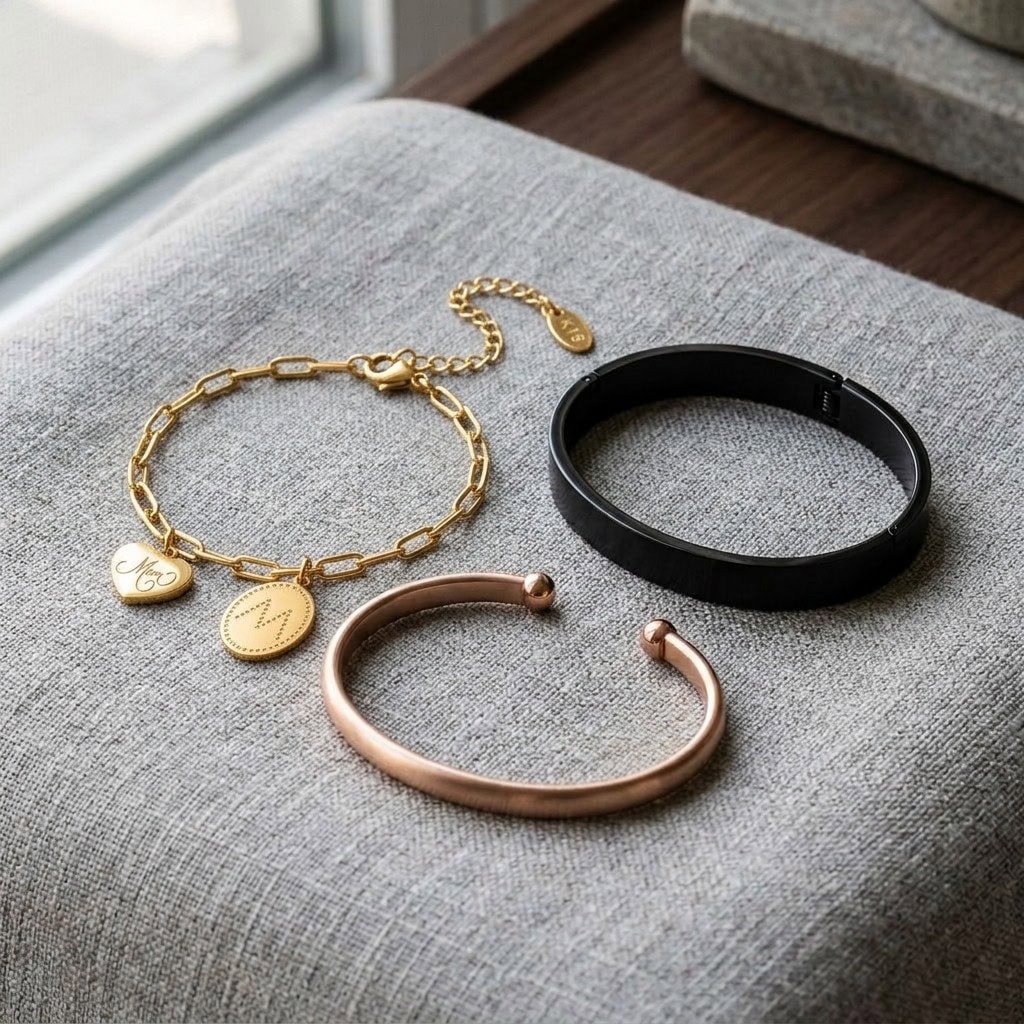
Bracelets and Bangles
- Produce chain bracelets, ID bracelets, tennis-style bracelets, cuffs, closed bangles, hinged bangles, and sliding structures.
- Confirm finished length, internal dimensions, wrist fit, cross section, opening, hinge, spring, clasp, magnetic part, pull requirement, and product weight.
- Review moving contact, deformation points, clasp alignment, internal-surface finish, PVD clearance, and transport protection before committing the structure to bulk production and final customer use.

Pendants and Charms
- Develop nameplates, initials, symbols, identification tags, custom shapes, stone-set pendants, charms, and coordinated charm systems.
- Define length, width, thickness, weight, front and back appearance, bail opening, chain compatibility, logo, engraving, stone or resin area, and orientation.
- Deep recesses, narrow slots, sharp corners, hidden cavities, mixed finishes, and contact points require DFM review for polishing, cleaning, PVD access, inspection, and packing.
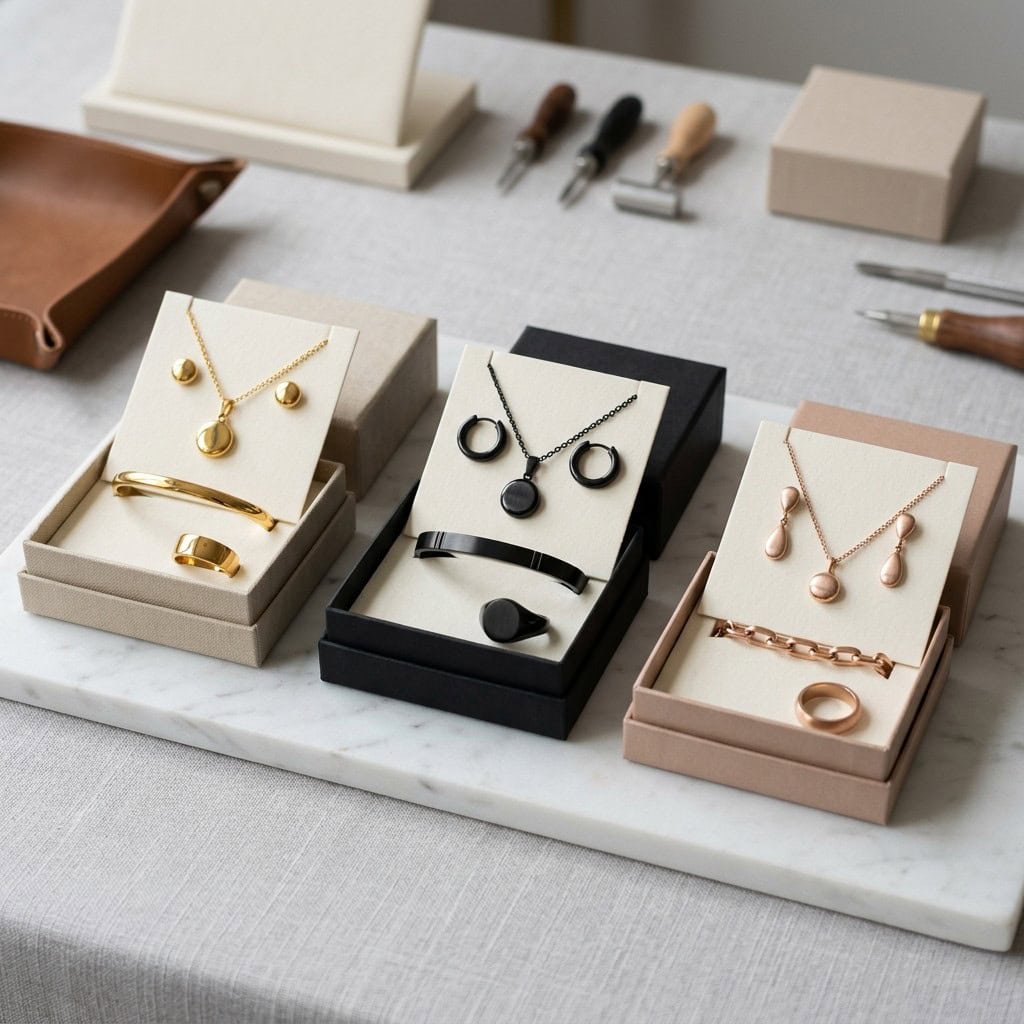
Sets and Brand Programs
- Combine earrings, necklaces, rings, bracelets, pendants, or gifts through a shared motif, color, stone language, logo system, and packaging presentation.
- Control every item as an individual SKU while also defining set quantity, pairing, position, accessories, barcode, card, insert, and gift-box assembly.
- Use shared references where specifications truly match, but keep separate drawings, dimensions, inspection points, and replacement rules for different products.
Convert Design Inputs into a Controlled PVD Specification
Chicolink can start from a sketch, reference image, physical sample, 2D drawing, 3D file, logo, or collection brief. Before quoting and sampling, we turn those references into clear manufacturing inputs and flag any assumptions for approval. This protects the design while defining the construction, process, PVD, quality, cost, and timing decisions needed for repeatable production.
Design Source
- Acceptable references include DWG, DXF, PDF, JPG, CDR, STEP, IGES, STL, 3DM, editable logo files, hand sketches, or physical samples.
- Chicolink identifies which source controls geometry, appearance, color, logo, and packaging.
- Conflicts, missing dimensions, unclear ownership, and unapproved assumptions are recorded before engineering proceeds.
Structure and Dimensions
- Define size, length, width, thickness, diameter, weight, joints, clasps, threads, hinges, springs, stones, chain fit, and assembly direction.
- Chicolink reviews minimum walls, holes, slots, radii, welding access, polishing access, movement clearances, drainage, and rack contact.
- The DFM result states whether the design is producible, needs changes, requires trial validation, or is not currently feasible.
Material and Components
- Record the steel grade and form together with chain, clasp, jump ring, ear post, back, spring, magnet, screw, solder or welding material, stone, pearl, resin, and packaging components.
- Each item receives a material, size, color, quantity, source, and substitution rule in the BOM where applicable.
- Buyer approval is required before a critical material or component changes.
Surface and PVD
- Define high polish, mirror, brush, sandblast, texture, mixed finish, logo method, color reference, PVD or water-plating route, layer target, and protected functional areas.
- Chicolink evaluates whether stones, resin, adhesive, moving parts, deep recesses, or mixed materials affect the process sequence.
- Surface and color samples are identified by version and approval status.
Quality and Testing
- Identify critical, major, and minor defects together with dimensions, color tolerance, layer measurement, function, pull, torque, drop, sweat, salt-spray, nickel, lead, cadmium, or buyer-specific requirements.
- Define the sample quantity, test method, equipment, measurement points, acceptance rule, and report requirement.
- Destructive test samples are separated from sellable production.
Packing and Release
- Confirm individual, pair, or set packing; protection film; anti-scratch separation; jewelry card; pouch; box; care card; barcode; SKU label; carton allocation; and marketplace requirements.
- Link approved artworks and packing instructions to the correct product version.
- Bulk release requires controlled product, PVD, quality, and packaging references rather than visual approval alone.
Choose the Manufacturing Relationship Before Development Starts
PVD jewelry can follow several development and supply routes. Chicolink defines who owns the design, which files control production, what development work is included, and when sampling or bulk production can begin. Choosing the route first keeps OEM, ODM, private-label, and standard-style requirements from becoming mixed in one unclear quotation.
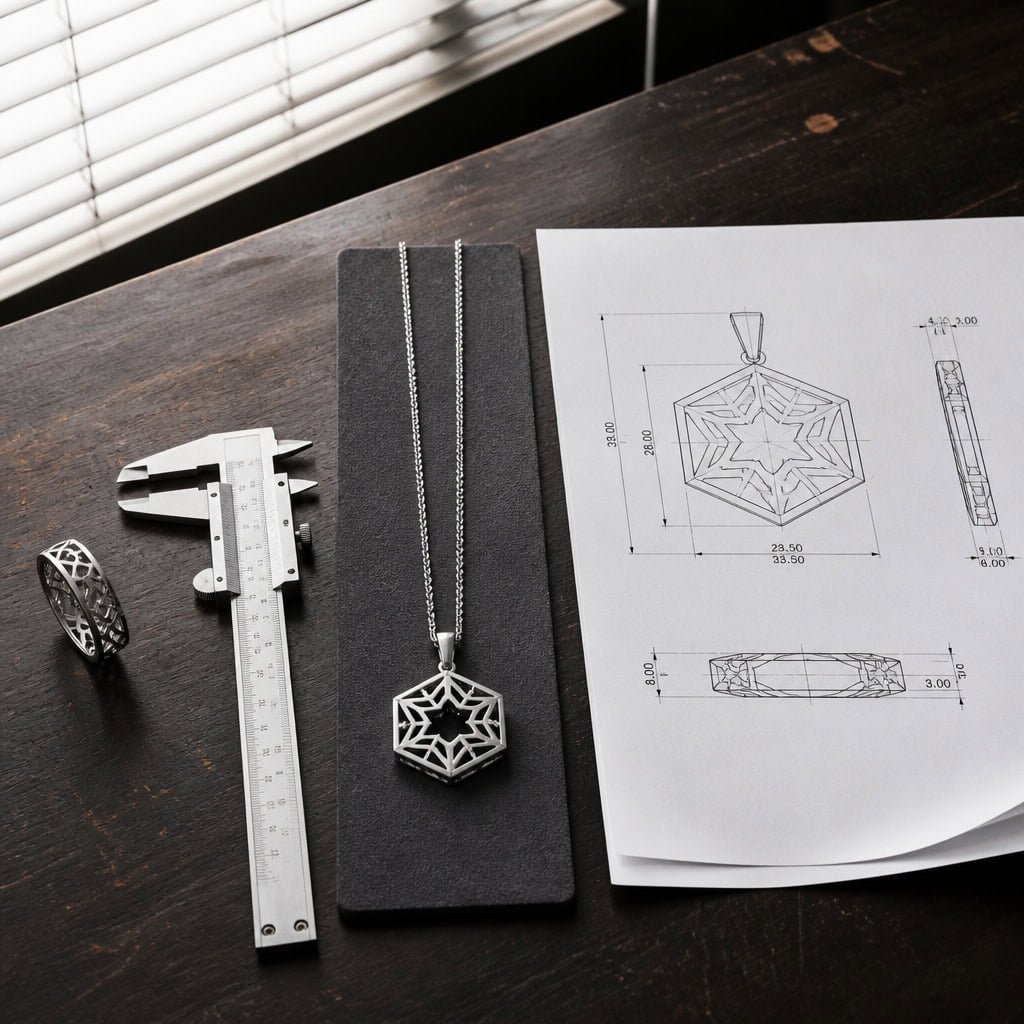
OEM Execution
Choose OEM when your team provides the design, reference sample, drawing, or detailed specification. Chicolink reviews manufacturability, prepares the quotation, makes approval samples, follows the agreed production and PVD route, inspects the goods, applies the specified packaging, and coordinates shipment. Your approvals control changes. We use this route to reproduce your design and product standard consistently while protecting the supplied intellectual property.
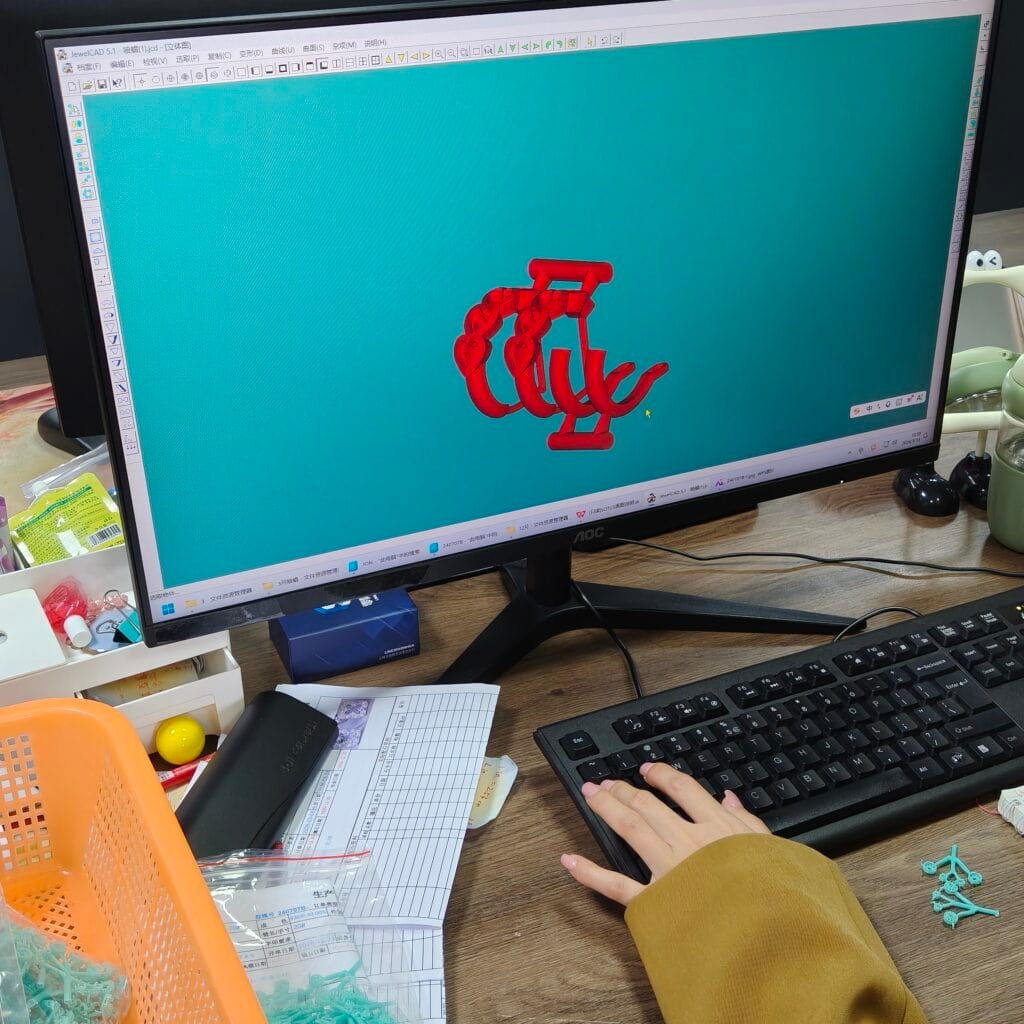
ODM Development
Choose ODM when Chicolink must contribute product concepts, structure, manufacturing solutions, assortment logic, or collection development. The project brief defines target customer, channel, price, quantity, style direction, product categories, PVD colors, packaging, and launch date. Concept selection, design ownership, revision rounds, tooling, exclusivity, and production rights must be agreed before development expands into unapproved work, cost, sampling, or launch commitments.
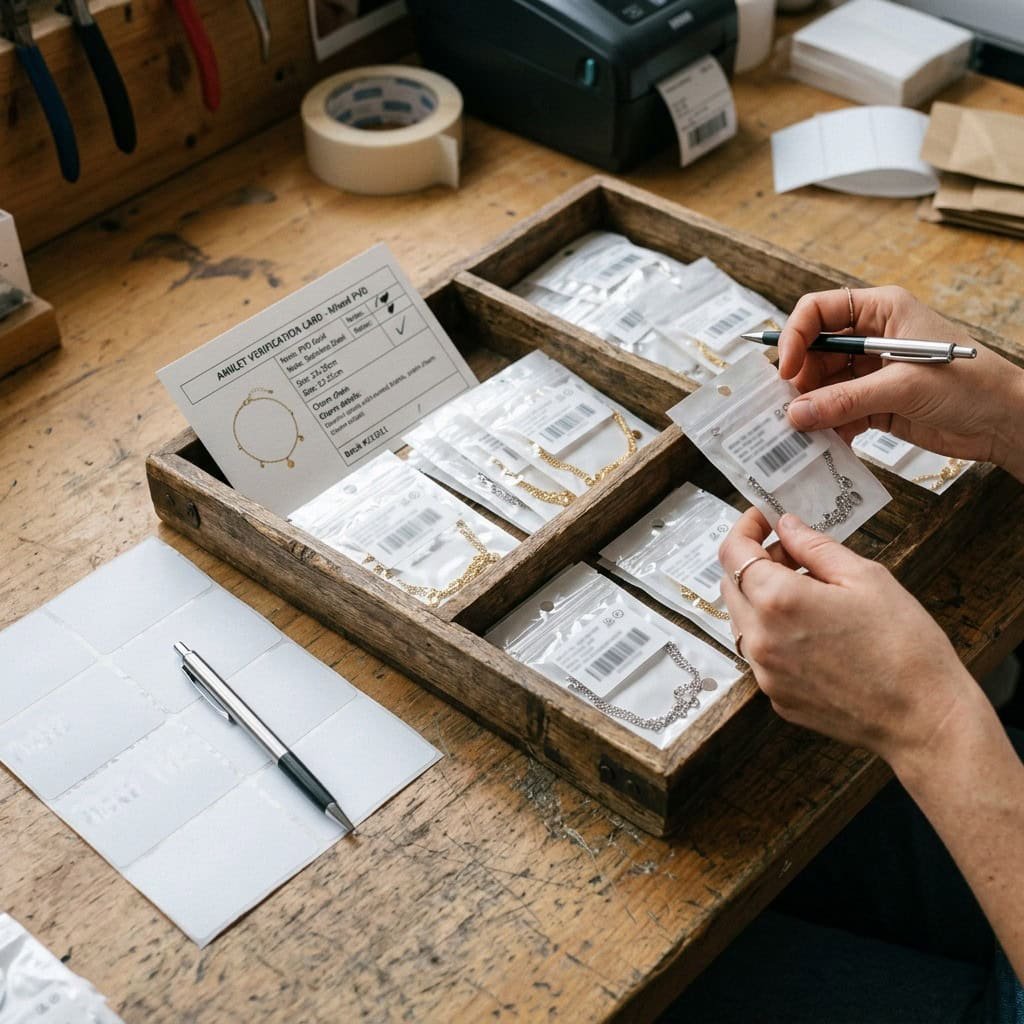
Private Label Program
Choose private label when the product and brand presentation must be delivered together. Chicolink can coordinate product logos, logo tags, engraving, jewelry cards, pouches, gift boxes, care cards, barcodes, SKU labels, set assembly, Amazon FBA packing, and carton marks. Product and packaging may have different MOQs, sample routes, artwork approvals, suppliers, and lead times, so we confirm both scopes separately.
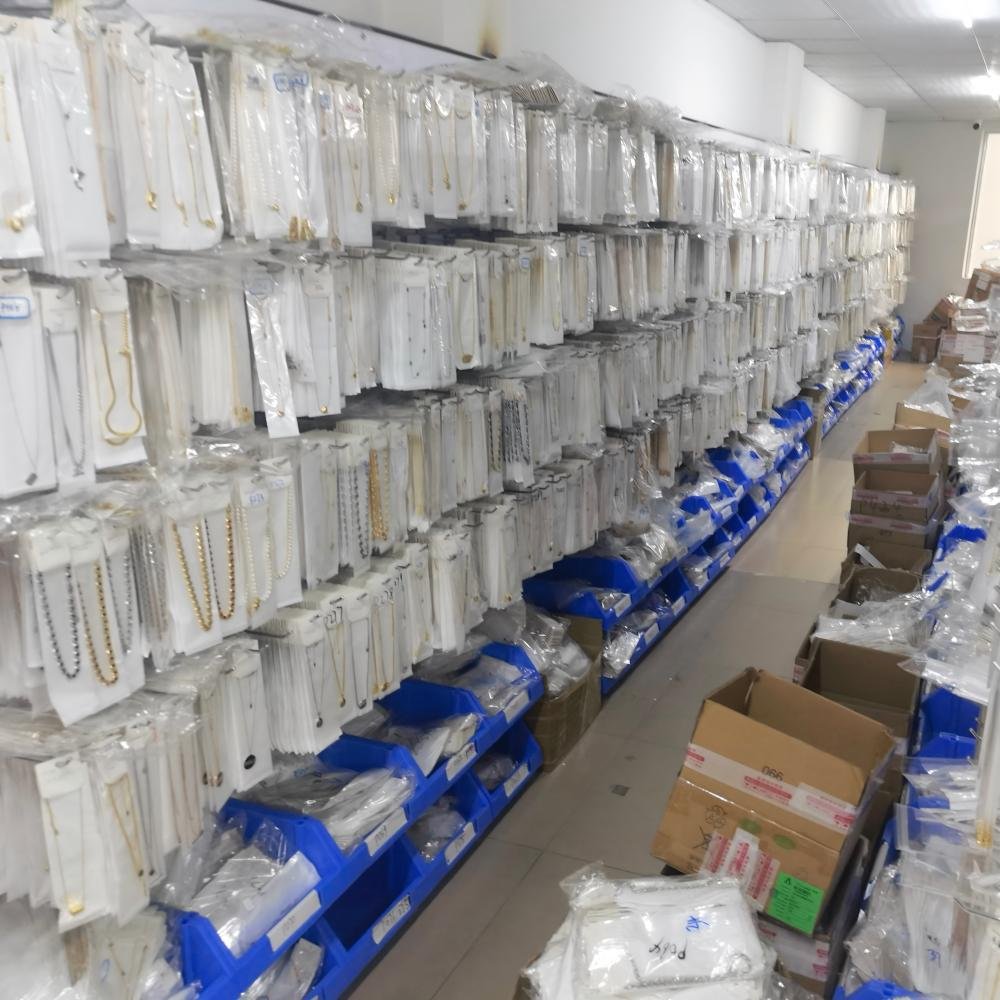
Standard-Style Supply
Choose standard-style supply when speed, assortment, and replenishment matter more than exclusive development. Typical MOQ is 120 pieces per style, subject to SKU, availability, color, packaging, and inspection needs. Chicolink checks stock or production status before quoting. Adding a logo, new PVD color, custom size, or branded packaging may move the order to a custom route with different commercial terms.
Move from Project Brief to Approved Bulk Production
Chicolink moves each PVD jewelry project through defined engineering, sampling, approval, and production stages. Each stage has clear inputs, deliverables, and approval status. Appearance approval does not automatically cover dimensions, function, material, PVD structure, logo, packaging, or testing. Before bulk production, we record exactly what is approved, what remains open, and which version each team must use.
Confirm Scope Before Costing
Chicolink first records the product category, design source, target market, steel grade, dimensions, weight, components, stones, surface finish, PVD color, layer requirement, logo, quantity, packaging, tests, inspection, delivery target, and commercial route. We return a clear list of missing information.
Use the Correct Sample for Each Decision
One project may require a concept sample, structural prototype, 3D print, metal sample, PVD color sample, functional sample, packaging sample, pre-production sample, or golden sample. Chicolink states the purpose of each sample so you know which decisions it can support.
Release Bulk Only After Approval Gates Close
Bulk production starts from the approved specification and agreed commercial terms. Chicolink links purchasing, work orders, process routes, PVD batches, inspections, packing, and shipment records to the production SKU and version.
Manufacturing Resources for Your PVD Program
Chicolink operates a 5,500+ sq. m jewelry factory in Dongguan with 400+ employees and monthly capacity above 200,000 pieces. Engineering, production, polishing, in-house plating, quality, packing, and shipping teams work from the same project information. You may also arrange a factory audit or independent inspection for your program.
Design and Engineering
- 6 jewelry designers and 3 jewelry engineers support drawing review, product structure, DFM, prototyping, tooling, sample correction, weight control, and production transfer.
- Engineering records the approved dimensions, material, components, surface, PVD, function, and quality points.
- This reduces reliance on appearance images as the only manufacturing instruction.
Machining Resources
- Chicolink's equipment list includes five CNC machines, four casting machines, three laser cutting machines, six stamping machines, four bending machines, seven drilling machines, four wax injection machines, and three lathes.
- The process route is selected by geometry, quantity, precision, finish, cost, and repeatability rather than by product name alone.
Joining and Finishing
- Five laser welding machines support precision joining, while eight polishing machines support controlled surface preparation.
- Product teams address weld access, heat effect, water gates, burrs, edge comfort, polishing reach, texture direction, and visible surfaces before PVD.
- Defects are corrected before coating instead of being hidden by color.
Logo and Identification
- Three laser marking machines support approved text, symbols, serial information, and product identification where geometry and feature size are feasible.
- Chicolink also evaluates etching, stamping, embossing, logo tags, and packaging print.
- We confirm artwork, location, direction, dimensions, depth, safe margins, and authorization before production
In-House PVD Workshop
- Six PVD vacuum coating machines support the approved PVD/IP route inside Chicolink's plating workshop.
- The workshop manages process instructions, color references, production monitoring, inspection, exceptions, and batch traceability.
- Water plating and other confirmed electroplating processes are planned separately according to the product and approved specification.
PMC and Quality Coordination
- PMC coordinates materials, operations, capacity, sequence, packaging, and delivery status across the released order.
- IQC, IPQC, FQC, PVD inspection, and packing inspection create checkpoints from incoming materials to shipment release.
- Batch and version records support issue isolation, corrective action, and later replenishment review.
Apply Quality Controls Before, During, and After PVD
Chicolink builds the quality plan around the product and order specification. It defines inspection stages, characteristics, methods, frequency, equipment, records, acceptance rules, and responsibility. A plain chain, stone-set earring, hinged bangle, threaded component, and private-label set do not need identical checks. We apply your written quality standards when they are agreed before production.
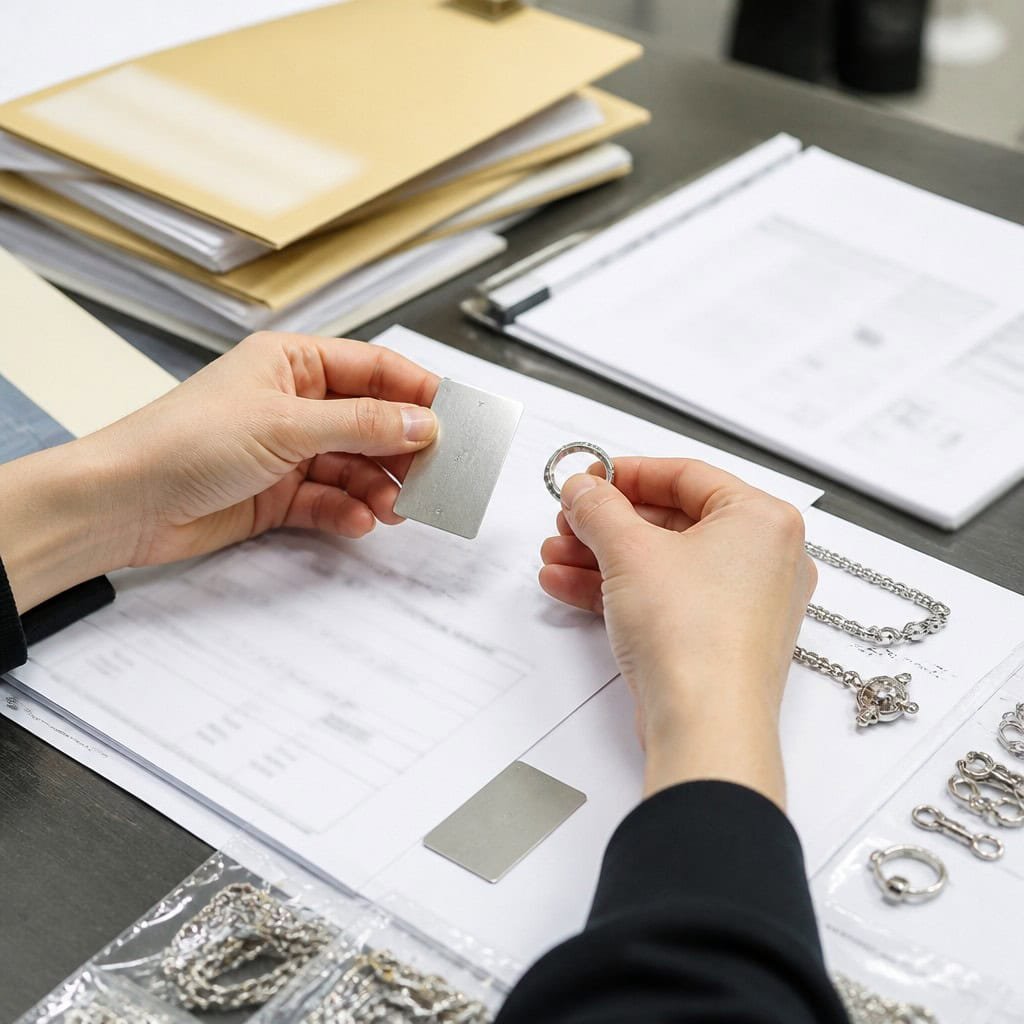
Control Inputs and the First Production Output
Incoming quality control verifies the applicable material, dimensions, surface condition, components, stones, and packaging materials before they enter production. Material bodies and small components are not assumed to share one steel grade; specifications are checked against the drawing, BOM, purchase record, and approved source requirement.
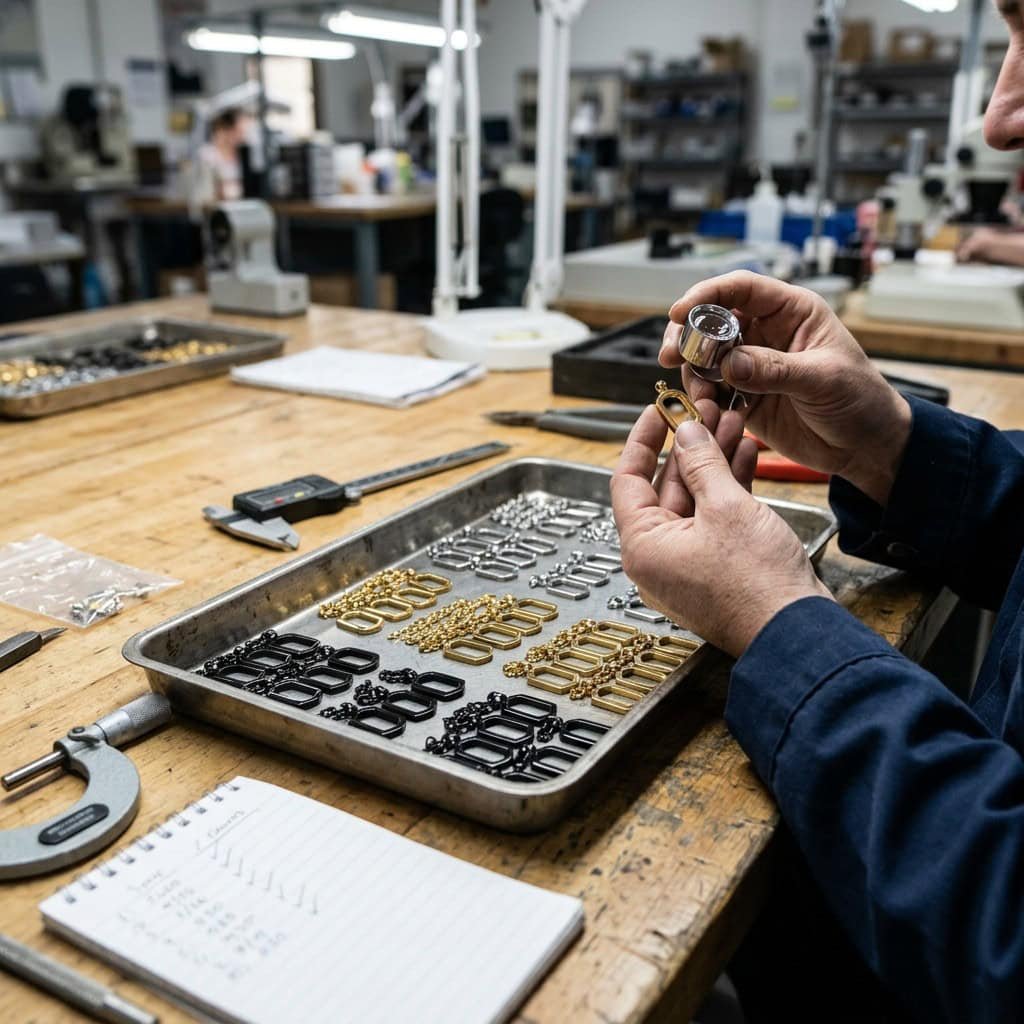
Inspect the Process and PVD Batch
In-process quality control checks semi-finished products before defects accumulate across the lot. The inspection plan follows the product's critical geometry, assembly, surface, and functional risks. Products entering the PVD workshop are linked to the correct order, SKU, surface preparation, color reference, layer requirement, and rack plan.
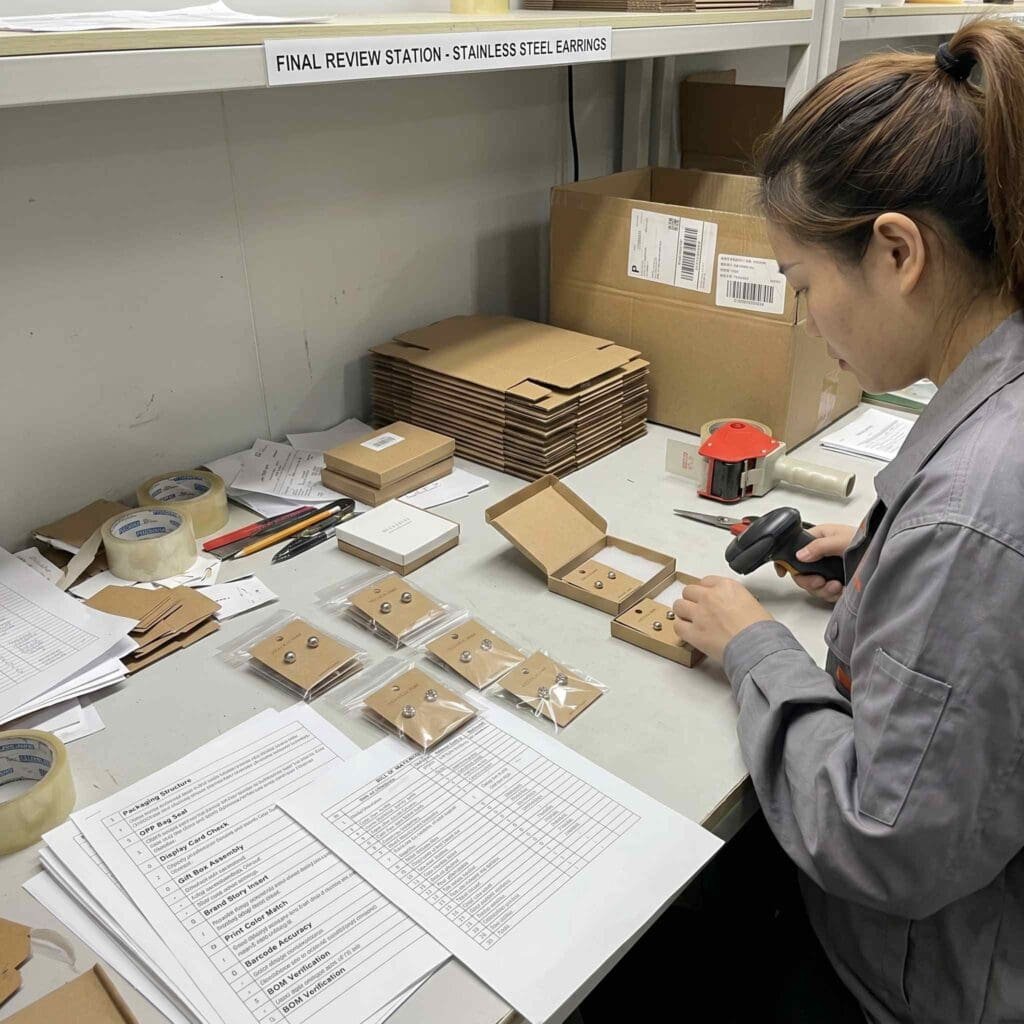
Release Finished Products and Packaging
Final quality control verifies the sellable product against the approved sample, drawing, color, workmanship, function, and inspection plan. Packaging inspection then verifies that the correct product reaches the correct card, pouch, box, barcode, SKU label, set position, inner box, and export carton.
Validate PVD Performance and Target-Market Compliance
Chicolink selects tests based on the product, material, PVD color and structure, contact area, target market, buyer standard, and product claim. The table lists our default conditions and reference costs when an order does not specify otherwise. Your contract, drawings, approved samples, and written test plan take priority. Each report applies only to the samples and conditions identified in it.
| Validation Item | Chicolink Default or Reference | Acceptance or Purpose | Project Condition |
|---|---|---|---|
| PVD layer thickness | Batch average target tolerance: nominal +/-10%; single-point target tolerance: nominal +/-20%; main appearance surface not below 80% of nominal | Verify layer requirements and identify exposed base, peeling, burning, or uneven coating | Method, measurement points, layer breakdown, and sample size |
| Color difference | Polished or mirror product: Delta E00 no more than 1.5; brushed, sandblasted, or antique product: no more than 2.0 | Control batch shade and reject visible jumps, two-tone effects, or local darkening | Instrument setup, physical standard, measurement points, and reading count |
| Neutral salt spray | Bare stainless steel: 24 hours; PVD or plated product: 48 hours; high-corrosion requirement: 72 hours or buyer requirement | No red rust, pitting, blistering, peeling, exposed base, or obvious discoloration; functions remain usable | Standard, solution, temperature, orientation, sample size, and report |
| Artificial perspiration | 40 +/-2 degrees C for 24 hours; solution pH 4.7 +/-0.2 | No blackening, corrosion, blistering, peeling, exposed base, or obvious gloss loss; Delta E no more than 2.0 | Formula, contact method, cleaning, drying, measurement, and sample size |
| Pull test | Five samples per style; small decorative or ear-post connection 30 N; pendant ring, jump ring, or clasp 40 N; necklace structure 30 N; bracelet structure 60 N | No breakage, detachment, open weld, open ring, or obvious permanent deformation after 10 seconds | Load direction, fixture, speed, and test location |
| Torque and drop | Five samples; torque by component diameter at 0.05, 0.10, or 0.20 N-m; bare-product drop from 1 meter on front, back, and side | No loosening, adhesive failure, breakage, thread stripping, stone loss, severe deformation, sharp edge, or functional failure | Suitable structures only; fixture, direction, surface, and sample condition |
| Nickel, lead, and cadmium | EN 1811, EN 12472, California Proposition 65, REACH, or buyer-specified requirements as applicable | Support release for the identified market and product | Current standard, component scope, color, contact area, laboratory, and sample size |
| Independent testing and inspection | SGS, HKPC, Intertek, BV, a buyer-appointed provider, or another agreed organization | Laboratory testing, factory audits, or pre-shipment inspections | Provider, protocol, fee, lead time, sample size, and report recipient |
Protect Reorders with Batch and Version Traceability
An approved first order does not guarantee that later orders remain unchanged. Materials, component sources, tooling, PVD shade, packaging artwork, test standards, order quantities, and capacity conditions can change. Chicolink uses order, SKU, version, and batch records to compare the correct references, identify controlled changes, and isolate issues. A reorder is reconfirmed before release rather than copied from an old price or product name alone.
Preserve the Approved Production Reference
Chicolink links the approved drawing, BOM, sample, color reference, logo, packaging, inspection plan, and order documents to the product SKU. The reference identifies actual dimensions, material, components, weight basis, surface preparation, PVD requirement, function, defect criteria, packing method, and approval status.
Trace the PVD and Packing Batch
Chicolink links each production batch to its material, work order, key processes, in-house plating record, inspection, packing, and shipment information. The record may include the material supplier and incoming batch, workshop and production date, mold or process version, PVD machine, color, quantities, inspection result, nonconforming disposition, packing batch, carton number, and logistics document.
Control Changes Before They Reach the Market
A change to the drawing, steel grade, component, stone, logo, PVD color, layer structure, packaging artwork, barcode, inspection plan, or test standard receives a version and impact review. Chicolink identifies whether the change affects cost, material, tooling, sampling, work in process, appearance, function, compliance, packing, schedule, or existing inventory.
Confirm MOQ, Timing, Payment, and Delivery Conditions
Chicolink sets commercial terms from the actual SKU, quantity split, construction, PVD batch, tooling, stones, logo, packaging, testing, capacity, and required date. The figures below are planning references rather than automatic commitments. Final specifications, testing, pricing, MOQ, lead time, payment, and delivery terms are stated in the quotation and order documents.
| Commercial Item | Typical Chicolink Reference | Conditions to Confirm |
|---|---|---|
| Standard or existing style MOQ | 120 pieces per style | Availability, color and size split, packing, inspection, and customization |
| OEM or ODM MOQ | 500 pieces per style | Tooling, construction, PVD batch, variants, stones, logo, packing, and tests |
| Existing-style sample | 3-7 working days | Availability, finish, quantity, logo, packing, payment, and shipping |
| Custom sample | 25-30 working days | Complete files, tooling, materials, revisions, PVD, tests, and approvals |
| Existing-style bulk | 20-30 working days | Stock or production status, PVD, packing, QC, capacity, and release date |
| Custom bulk | 25-45 working days | Approved sample, material readiness, tests, packing, capacity, and changes |
| Sample and tooling fees | Normally applicable when development or dedicated tooling is required | Fee, ownership, storage, maintenance, reuse, refund or credit terms, revisions, and intellectual-property conditions |
| Quantity tolerance | Approximately +/-5% is a common reference for custom orders | Acceptable overage or shortage, payment, remaining goods, replacement, freight, packing allocation, and contract terms |
| Payment | T/T, L/C, or PayPal may be supported; 50% deposit and 50% before shipment is a reference term | Customer credit, order value, currency, bank charges, payment milestone, documents, and written agreement |
| Trade and logistics | EXW, FOB, CIF, DAP, or DDP; DHL, FedEx, UPS, air, sea, or nominated forwarder | Destination, carton data, tax, insurance, transit target, and customs responsibility |
PVD Jewelry Project Results With Chicolink
PVD jewelry programs are easier to repeat when color standards, approved samples, production batches, QC checks, packaging versions, and reorder records stay connected. These representative examples show how Chicolink supports stainless steel jewelry brands and wholesalers with controlled PVD color, repeatable finishes, and bulk production follow-up.

Representative PVD Collection Program
Use Scenario
A European or North American brand plans a coordinated PVD gold stainless steel collection across earrings, necklaces, rings, and bracelets, with private-label packaging and repeat-order requirements.
Key Challenge
Different geometries, polishing areas, moving parts, sizes, and contact zones can make one color look or wear differently across the collection. Product, PVD, packaging, testing, and launch approvals must also close on separate timelines without allowing an unapproved item to enter bulk production.
Chicolink Solution
Chicolink creates a SKU matrix covering steel grade, dimensions, weight, components, polishing reference, PVD color and layer requirement, logo, packaging, critical quality points, and target-market tests. We review higher-risk products first, then link approved color and golden-sample references to production, PVD inspection, packing, and shipment records.
Result
Chicolink releases only the SKUs that have completed product, PVD, quality, packaging, and commercial approval. Linked records then support pre-shipment review, complaint investigation, and repeat orders. Final performance, cost, timing, and inspection results depend on the approved project specification.
PVD Stainless Steel Jewelry Manufacturer FAQ
These answers cover common questions about Chicolink's PVD stainless steel jewelry service. Specifications, tests, costs, MOQ, lead time, and delivery depend on the product, color, quantity, market, packaging, and production plan. Send the actual SKU files for a project-specific review.
Is Chicolink a manufacturer or trading company?
Chicolink manufactures stainless steel jewelry in a 5,500+ sq. m Dongguan factory. 400+ employees support engineering, production, in-house PVD coating, quality control, packing, and export coordination. Factory audits and independent inspections are available by arrangement.
Is PVD plating completed in-house?
Yes. Chicolink operates six PVD vacuum coating machines in its own plating workshop. We manage process requirements, color references, batch production, inspection, exceptions, and traceability in-house. Water plating and other electroplating routes are planned separately for the product specification.
Should we choose 304 or 316L steel?
Chicolink selects the grade by construction, material form, skin contact, use environment, target market, tests, and cost. 304 suits many fashion-jewelry projects. 316L generally improves resistance to localized corrosion but can be harder to form, machine, weld, polish, and reshape.
What PVD colors can Chicolink produce?
PVD color options include 24K, 18K, and 14K gold, rose gold, black, gunmetal, coffee, blue, and multicolor effects. Availability depends on the product and process. We use a physical color reference plus agreed brightness, texture, variation, and layer requirements.
What PVD thickness options are available?
Chicolink's E1 reference is 0.4 micrometers TiN plus 0.05 micrometers gold. E2 is 0.7 micrometers TiN plus 0.1 micrometers gold. Final requirements depend on the product, geometry, measurement method, test conditions, cost, and approved sample.
How long does PVD jewelry last?
There is no single lifespan for every product. Color retention depends on the material, surface preparation, PVD structure, geometry, wear, sweat, water, cosmetics, cleaning, storage, and care. Chicolink uses durability claims only when the specification, test evidence, and stated use conditions support them.
What testing can Chicolink support?
Chicolink supports thickness, color, salt spray, perspiration, abrasion, pull, torque, drop, nickel, lead, cadmium, and buyer-specific tests. We agree the standard, sample, fee, timing, and report scope before testing.
What is the custom jewelry MOQ?
Typical MOQ is 500 pieces per OEM or ODM style and 120 pieces per standard or existing style. Final MOQ depends on color, size, PVD batch, components, stones, logo, and packaging.
How long do samples and bulk production take?
Existing-style samples typically take 3-7 working days and custom samples 25-30. Existing-style bulk takes 20-30 working days and custom bulk 25-45, subject to approvals, materials, testing, packing, inspection, and capacity.
How does Chicolink control repeat-order consistency?
Chicolink links each SKU to approved drawings, BOMs, samples, PVD references, inspection plans, packaging files, batch records, and shipment history. Before reordering, we reconfirm changes and current production conditions.